
For Home
Filters
5 products
Home first aid
Home first aid kits for families, organized by injury type
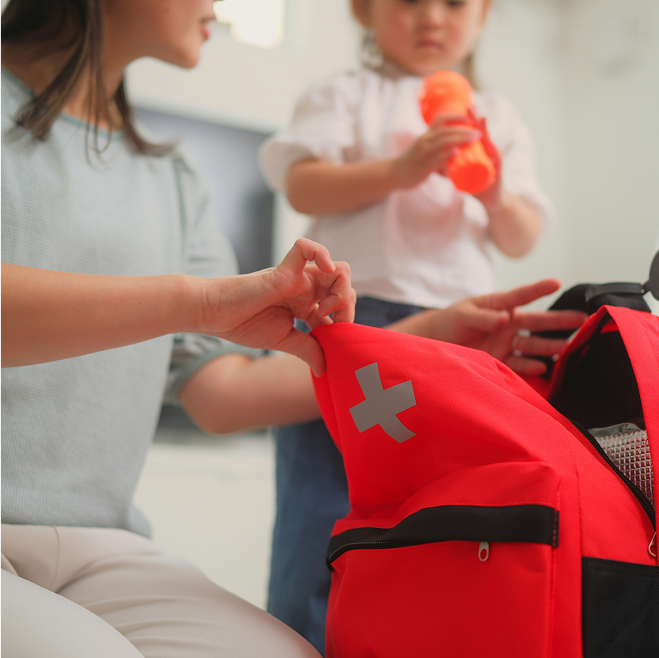
A home first aid kit should let anyone in the household treat the injuries that actually happen at home – cuts, scrapes, kitchen burns, sprains, splinters and stings – and buy time until professional care is available for anything worse. Genuine First Aid home kits are organized by injury type (Assessment, Bleeding, Burns, Breathing, Bruising), so in a stressful moment you open the category instead of digging through packets.
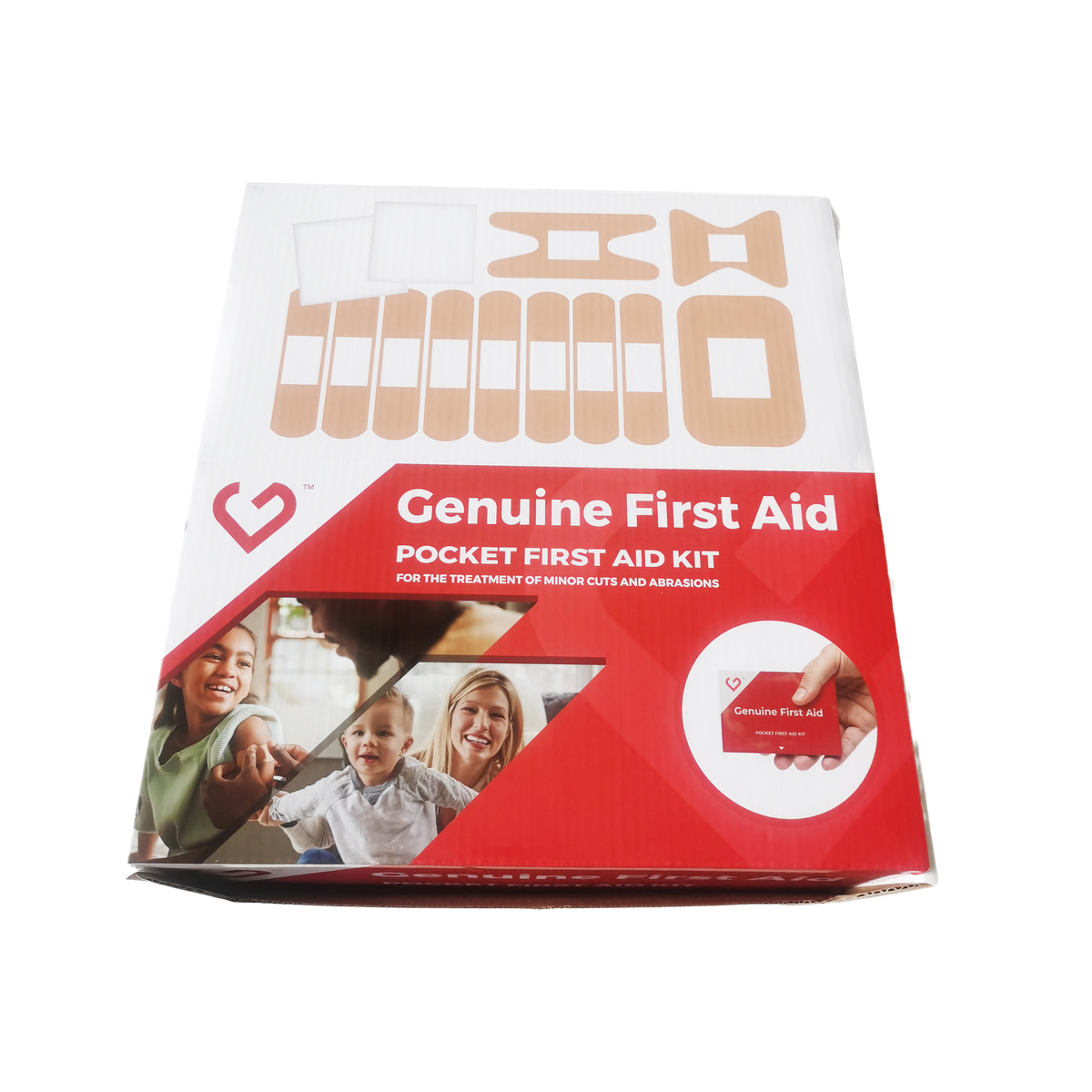
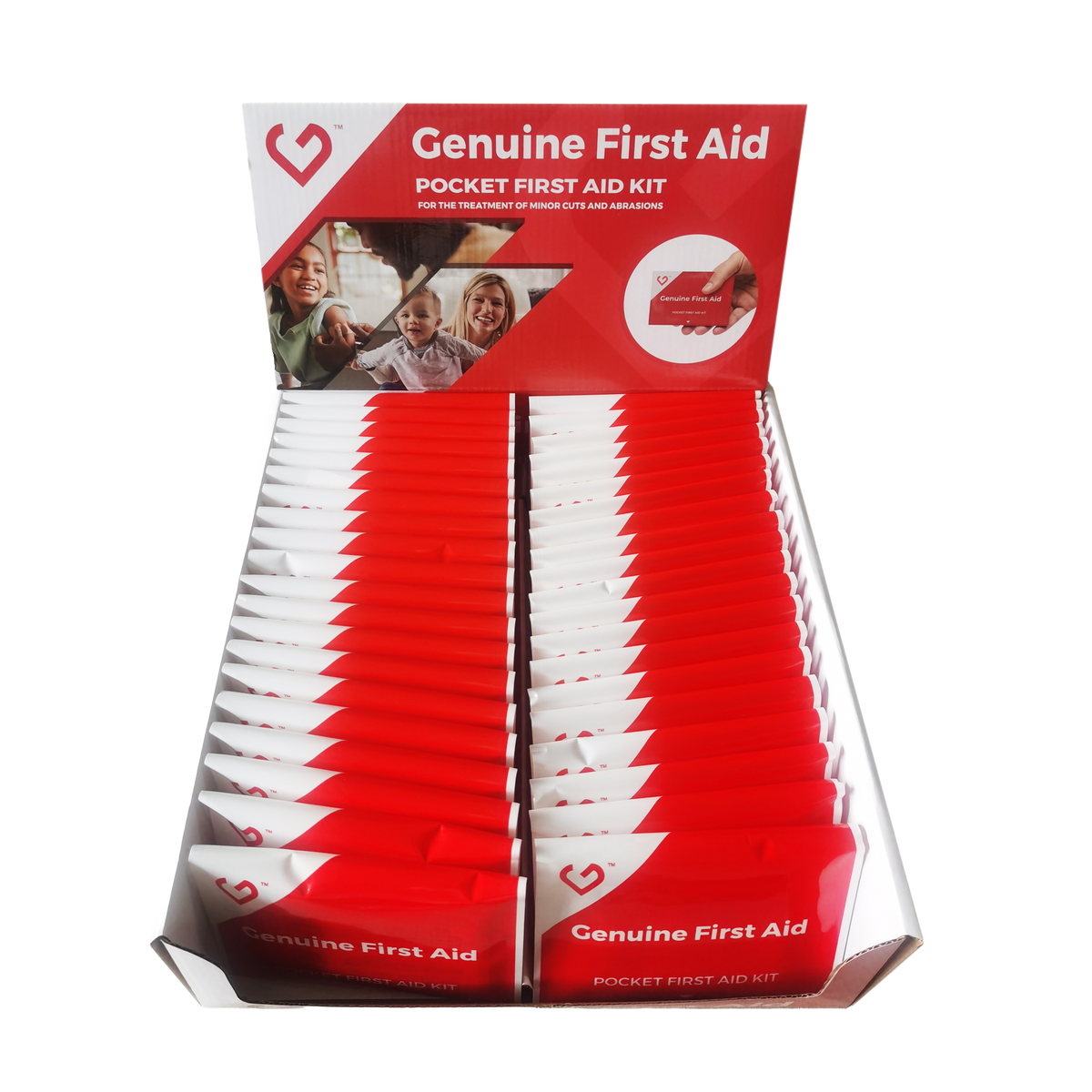
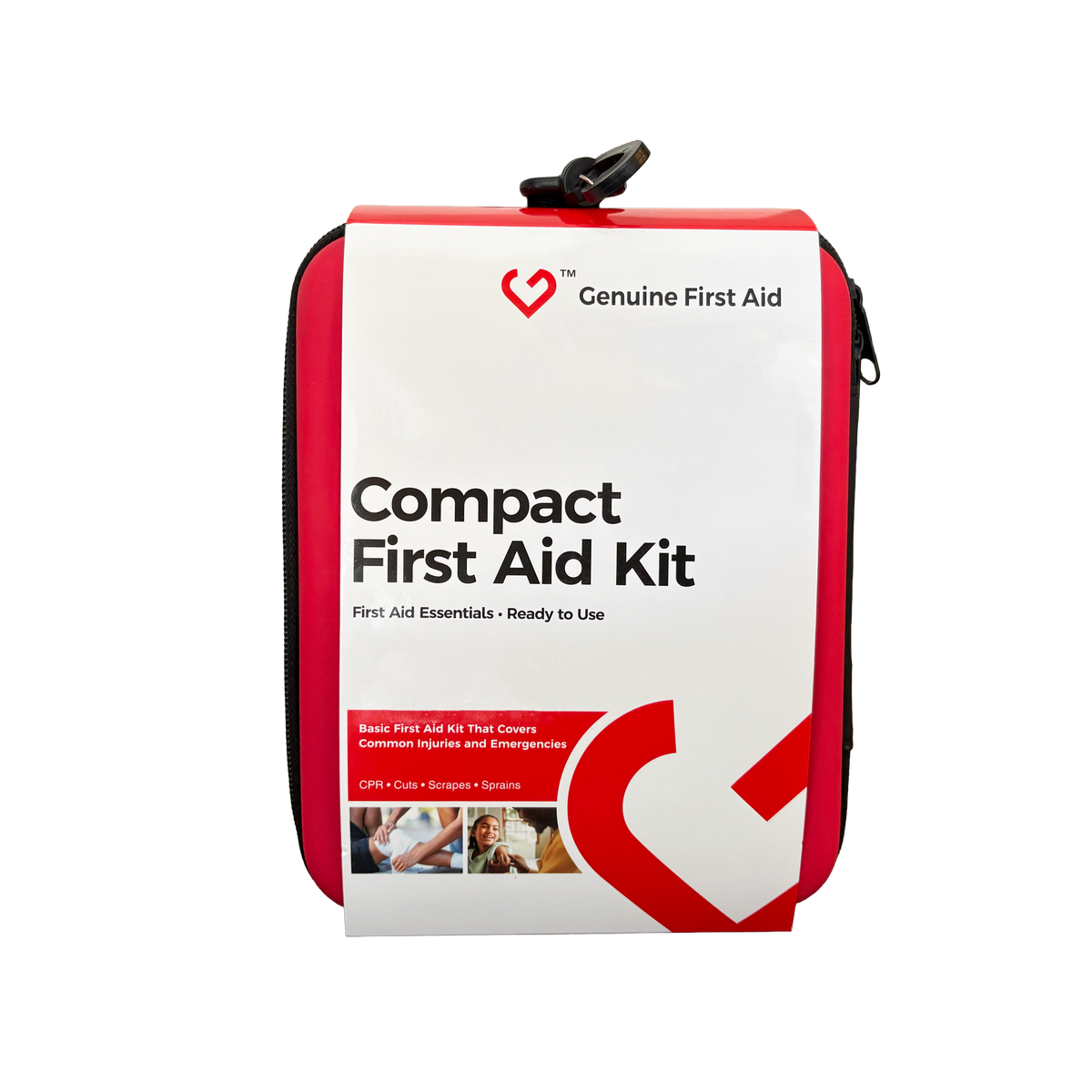
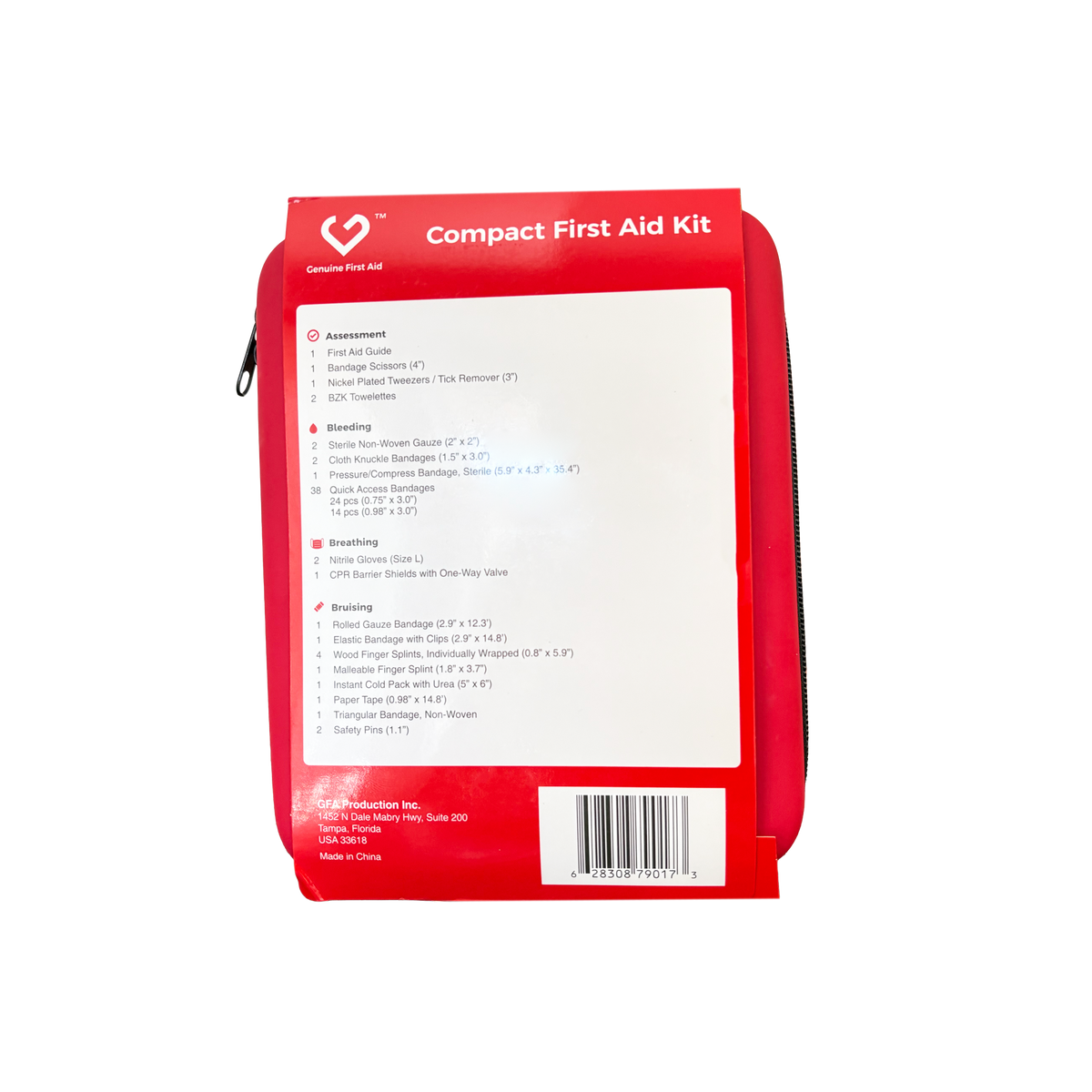
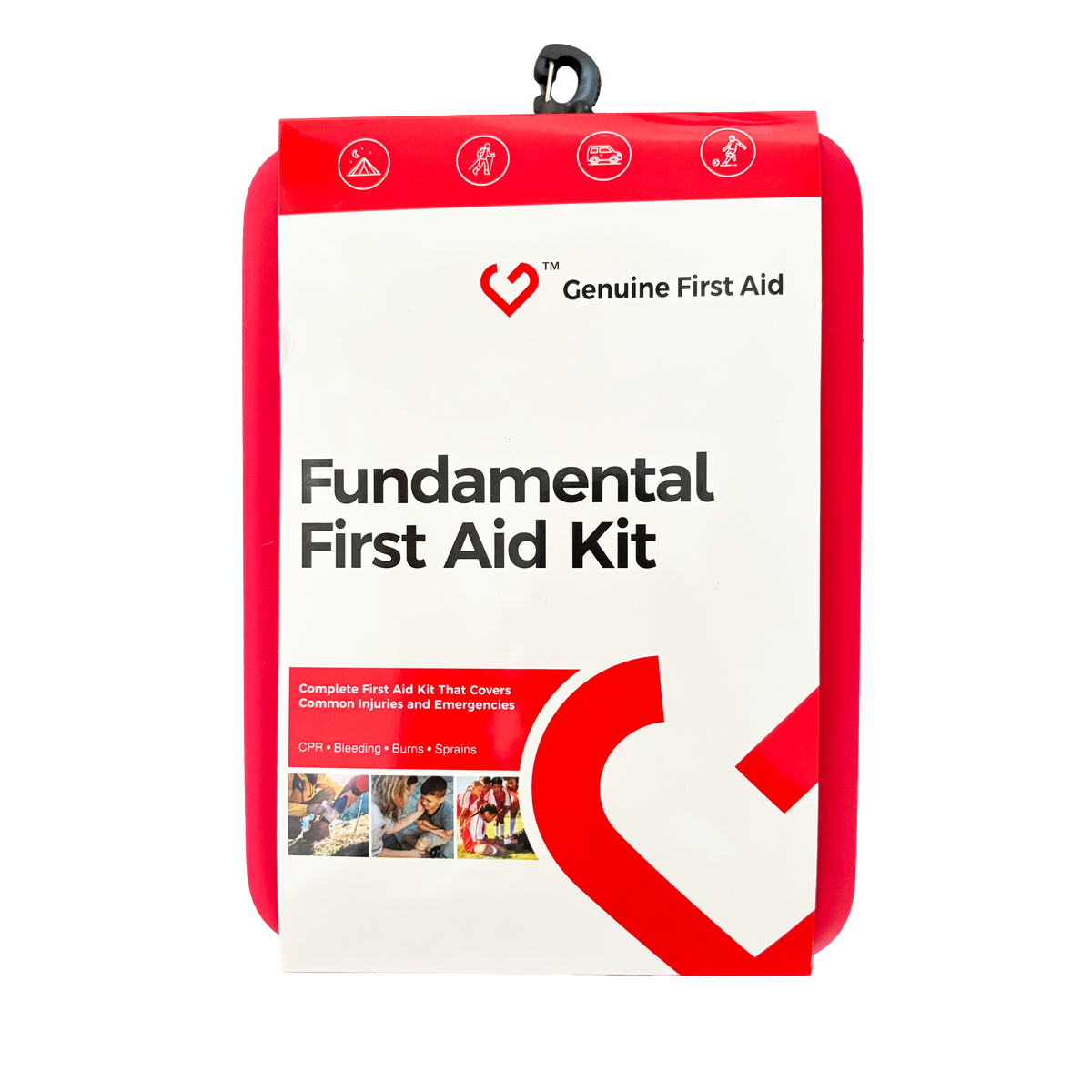
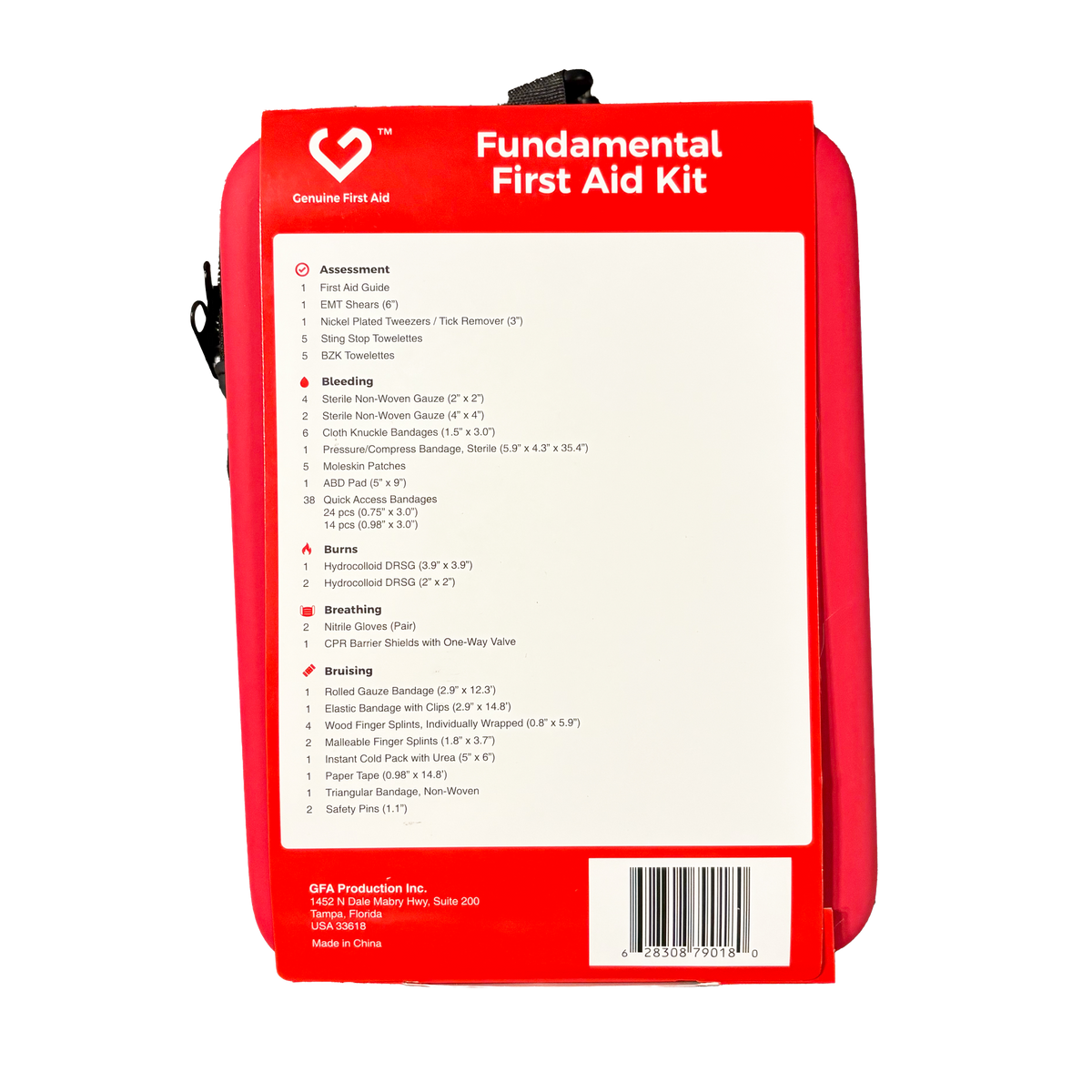
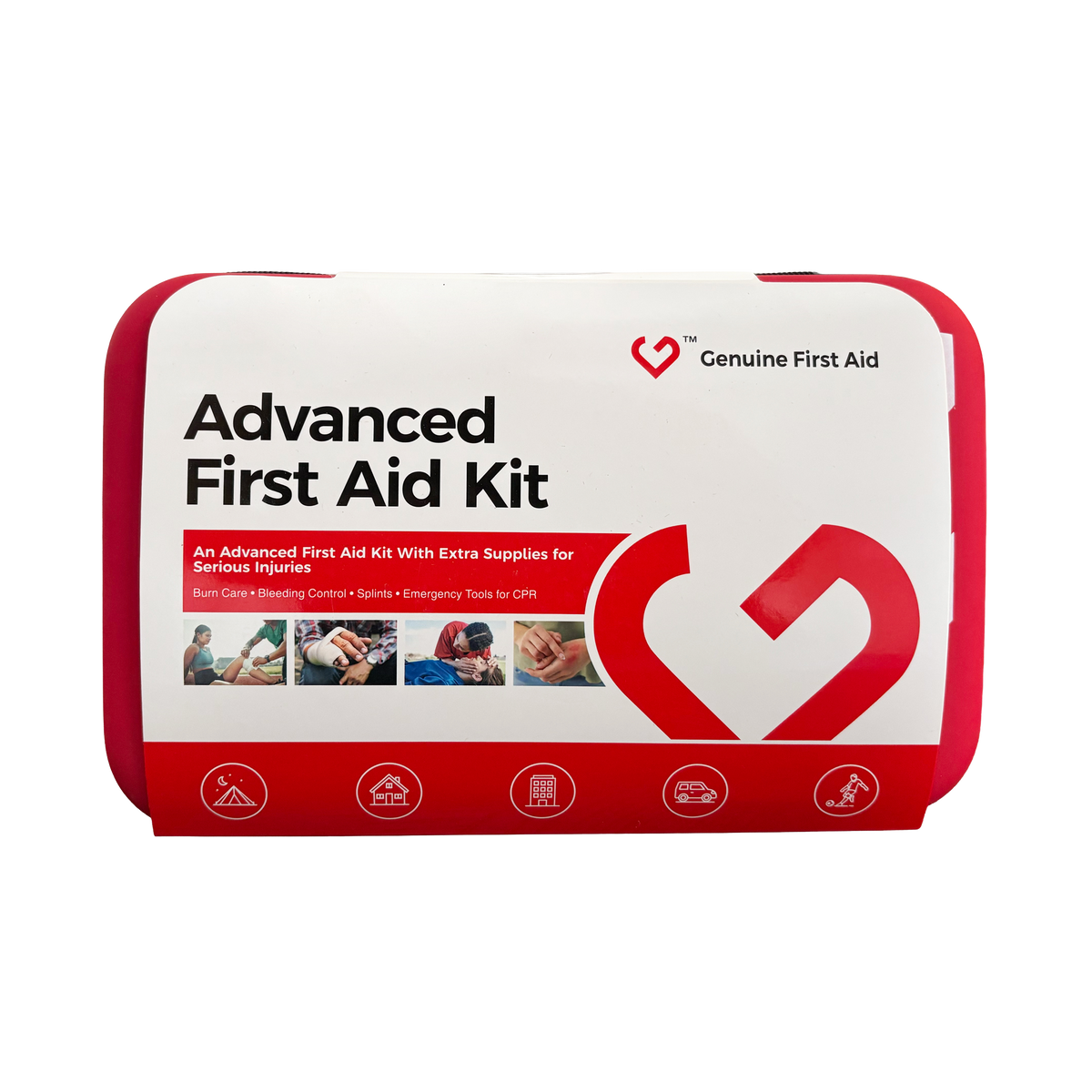
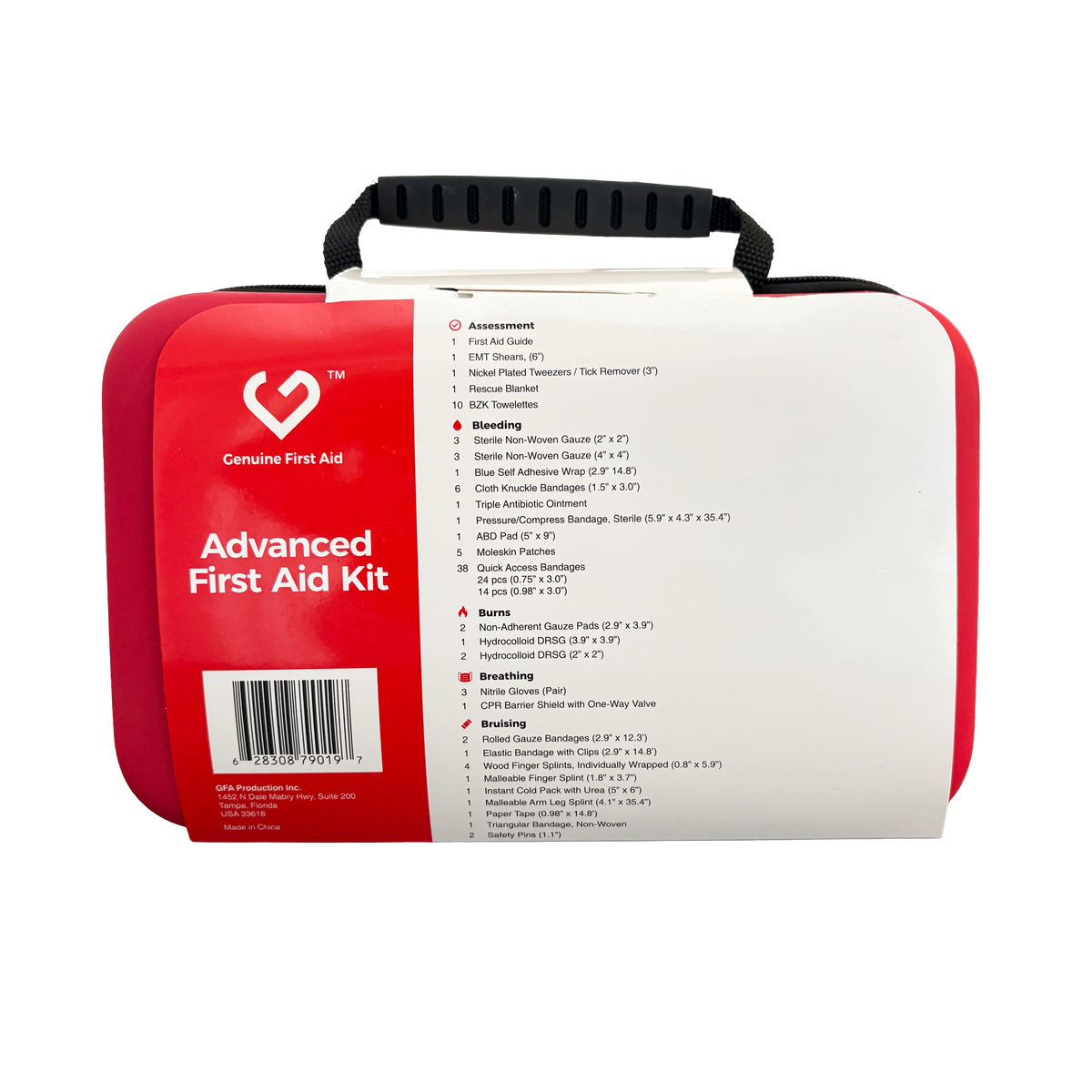
The Compact First Aid Kit (50+ supplies, 1.1 lb) covers everyday mishaps plus CPR protection for a small household or a dorm room. The Fundamental First Aid Kit (70+ supplies, five categories, hydrocolloid burn dressings, sting relief) is the kit most families settle on. The Advanced First Aid Kit (90+ supplies, three splint types, antibiotic ointment, rescue blanket) is for households that want full coverage, including for sports and outdoor weekends. Add a Pocket First Aid Kit to every bag and a Compact kit to every car.
Compare
Which kit is right for you?
All three kits are organized by injury type. Pick by where the kit will live and how much coverage you want. Need something that fits a pocket? The 12-piece Pocket First Aid Kit covers minor cuts and scrapes.
50+
70+
90+
4
5
5
CPR barrier shield
CPR barrier shield
CPR barrier shield
–
Hydrocolloid dressings, 2 sizes
Hydrocolloid + non-adherent pads
4 wood + 1 malleable finger
4 wood + 2 malleable finger
Finger splints + malleable arm/leg splint
1.1 lb
1.3 lb
1.9 lb
EVA 8.3” × 6.3” × 2.6”
EVA 9.0” × 6.7” × 2.8”
EVA 10.0” × 6.3” × 4.3”
Car, backpack, dorm
Home, family car, travel
Outdoors, sports, full home coverage
Good to know
Home first aid kits – questions
What should be in a home first aid kit?
Adhesive bandages in several sizes, sterile gauze pads, a pressure bandage, an elastic bandage, triangular bandage, nitrile gloves, a CPR barrier, antiseptic wipes, tweezers, scissors, a cold pack, burn dressings and a first aid guide. The American Red Cross publishes a similar list for a family of four; our Fundamental kit covers it in one case.
Which kit for a family with young children?
The Fundamental or the Advanced: both include burn dressings, splints and sting relief. Keep the kit out of reach of children (small parts) but where adults can grab it in seconds.
Do first aid kits expire?
Sterile dressings and drug-containing items (antiseptic towelettes, burn cream, antibiotic ointment) carry expiration dates; bandages and tools do not. Check the kit twice a year, replace used and expired items, and store it dry at room temperature.
Where should I keep the kit at home?
In a central place every adult knows – the kitchen or the hall closet – not in the bathroom cabinet where humidity shortens shelf life. Keep a second kit in each car.