
Stay calm. Act fast. Focus on the basics. Here are the essential first aid actions for the emergencies people face most often.
Signs to Watch For
- Difficulty breathing
- Severe bleeding
- Unresponsiveness
- Sudden confusion or slurred speech
- Deep burns or major trauma
What to Do
- Check the scene — make sure it’s safe
- Check the person — responsiveness, breathing, bleeding
- Call 911 if there are any life-threatening signs
- Care for the condition using simple first aid steps (see below)
Quick Action Guides
- Choking (Adult/Child): 5 back blows → 5 abdominal thrusts → repeat
- CPR: 30 compressions → 2 breaths → repeat (push hard, push fast)
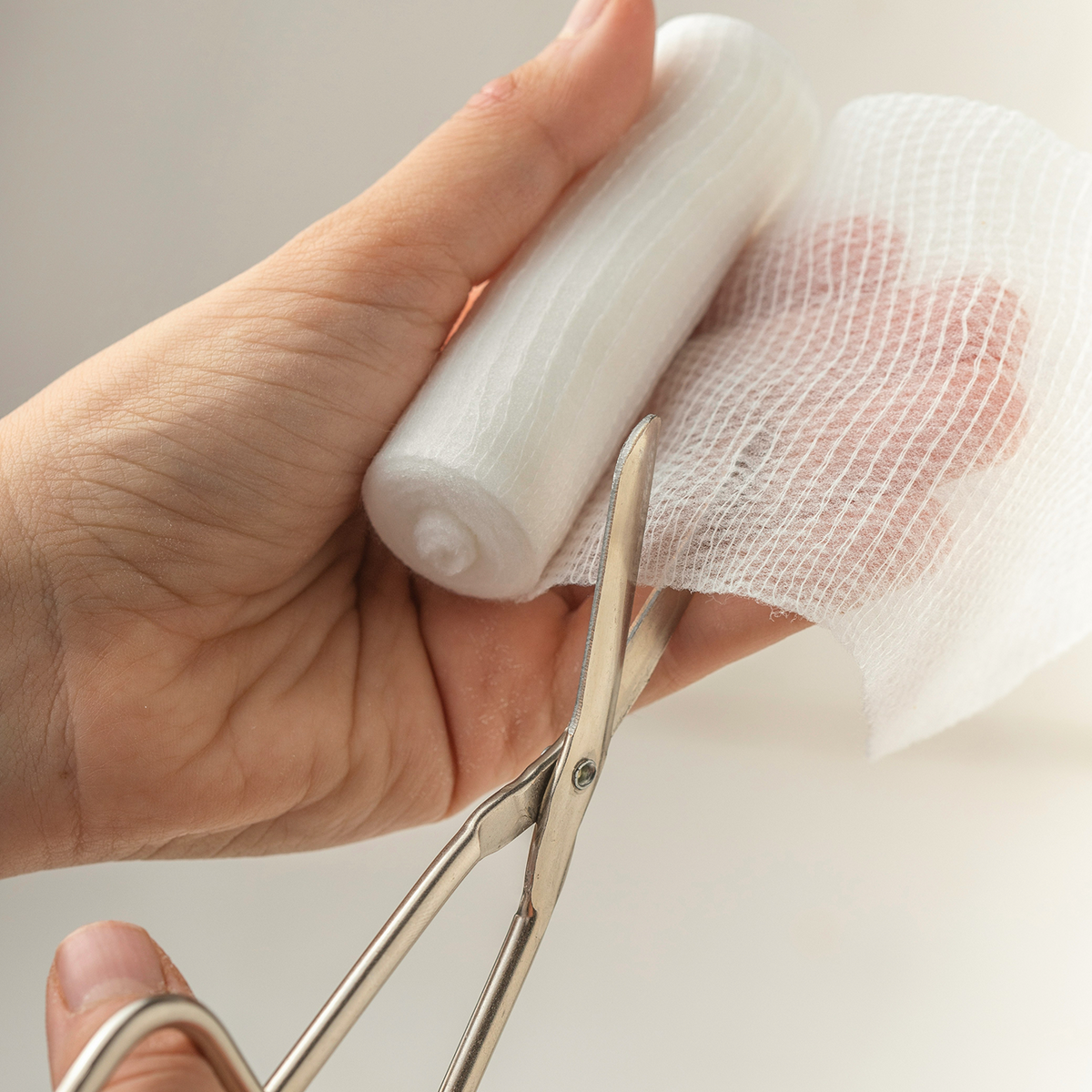
- Severe Bleeding: direct pressure → bandage → tourniquet if needed
- Burns: cool with water 10–20 min → cover with clean dressing
- Sprains/Strains: Rest, Ice, Compression, Elevation (R.I.C.E.)
What NOT to Do
- Don’t put creams on severe burns
- Don’t remove objects stuck in a wound
- Don’t give food or drink to someone who is unconscious
- Don’t delay calling 911 if you’re unsure
When to Call 911
- Trouble breathing
- Major bleeding
- Chest pain
- Stroke symptoms
- Seizure
- No response or no breathing
Signal Learning Inc. (2026). First Aid and Disaster Preparedness Content. Used with permission.



Leave a comment
This site is protected by hCaptcha and the hCaptcha Privacy Policy and Terms of Service apply.